This guide includes ordinary, untracked retailer search links. We do not earn a commission from these links at present. Read our disclosure.
Plan around one weekend bake
In a small apartment, Saturday baking may share the counter with a kettle, breakfast dishes, and groceries waiting to be put away. Start with one bake you genuinely want to repeat, such as tray cookies or a simple loaf. Its recipe provides a more useful shopping list than a comprehensive starter kit.
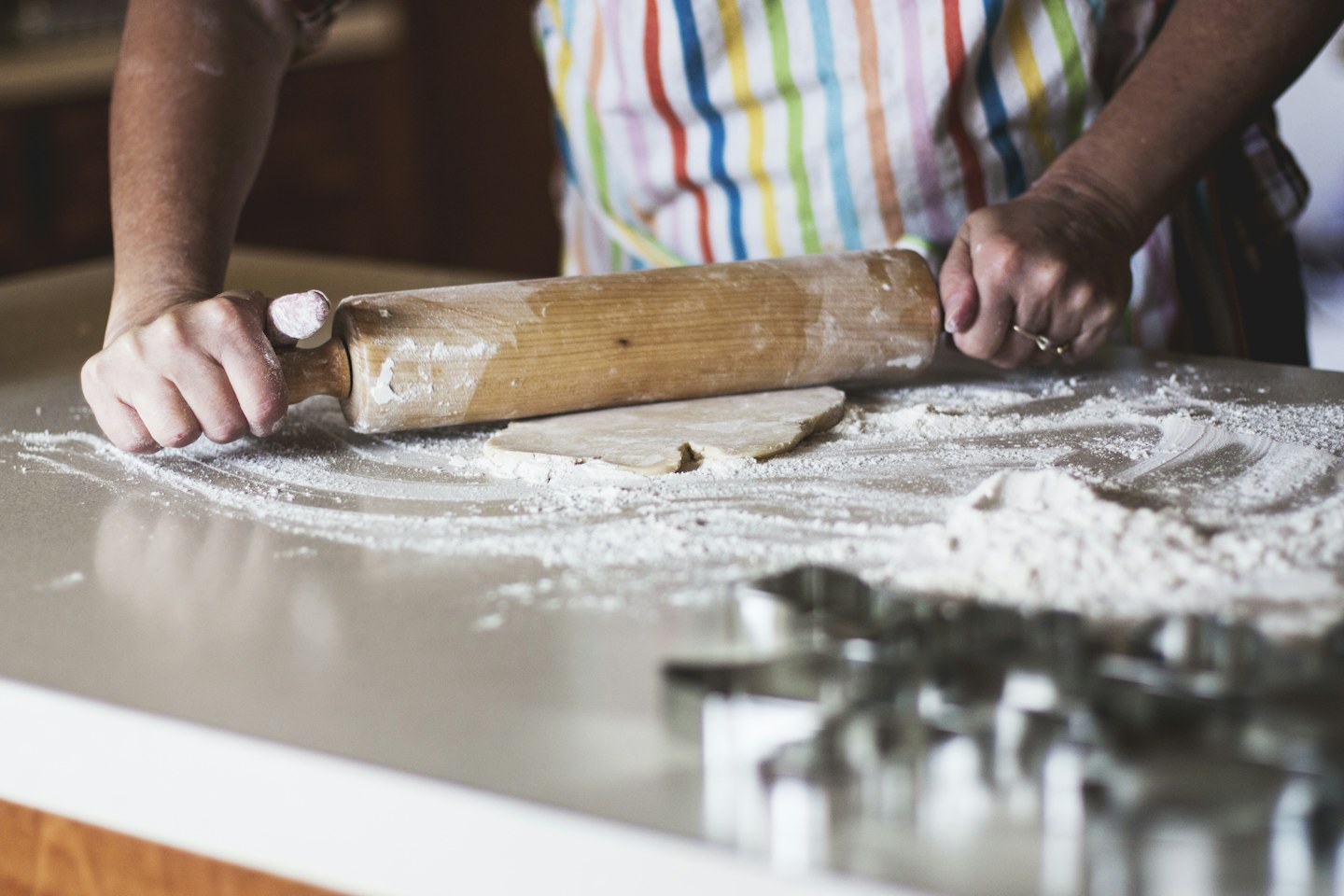
Clear a working area and identify where the hot bake will rest afterward. Storage is only half the problem: preparation, cooling, and washing also need space. If every available surface is already occupied, adding more equipment will make baking feel harder rather than more welcoming.
Give mixing tools more than one job
A roomy mixing bowl, a flexible spatula, and a whisk can handle many basic recipes. Choose sizes that work together: a small spatula may struggle in a deep bowl, while an oversized whisk can feel awkward for a little glaze. Comfortable access matters more than owning every variation.
Before buying measuring equipment, check whether your chosen recipes use weights, volumes, or both. Existing spoons may already cover small additions, while a kitchen scale can suit recipes written by weight. Avoid duplicating a full measuring collection simply because a packaged kit includes it.
Select bakeware against the actual oven space
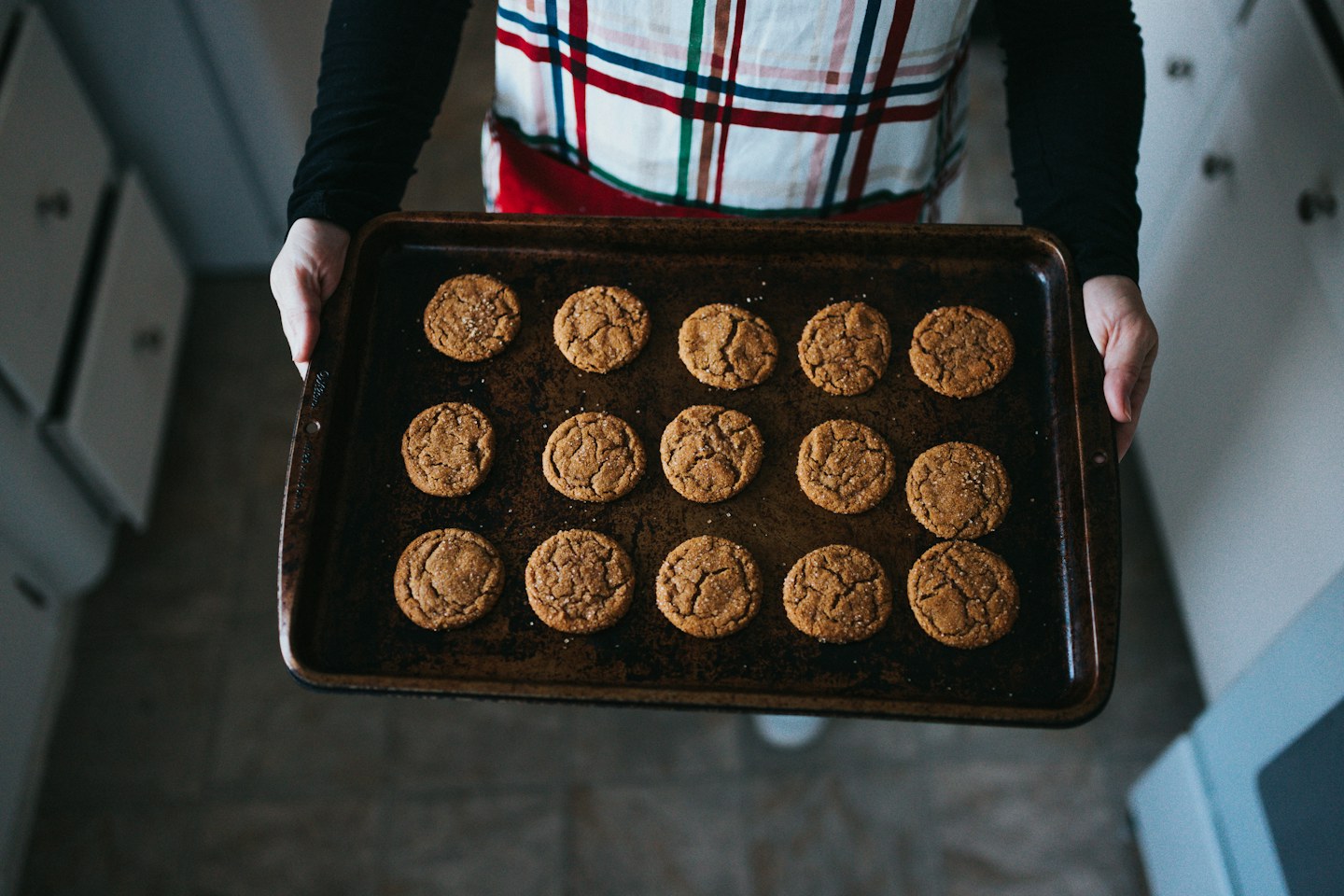
A tray needs to fit the usable oven area, including the space occupied by its rim or handles. Measure before shopping, especially with a compact oven. Follow the oven and bakeware manufacturers' guidance about placement and clearance rather than trying to squeeze in the largest possible pan.
One tray and one tin matched to your favorite bake can be a reasonable beginning. Different pan shapes affect how a recipe fills and cooks, so a smaller substitute is not automatically interchangeable. Choose recipes that fit your equipment instead of accumulating pans to follow every appealing photograph.
Make cooling and cleanup part of the kit
A cooling rack earns its place if you regularly need air around cookies or loaves, but it must have somewhere to stand. Check whether it stores alongside your tray. A heat resistant resting place is a separate consideration; follow the relevant product guidance rather than assuming any rack protects a countertop.
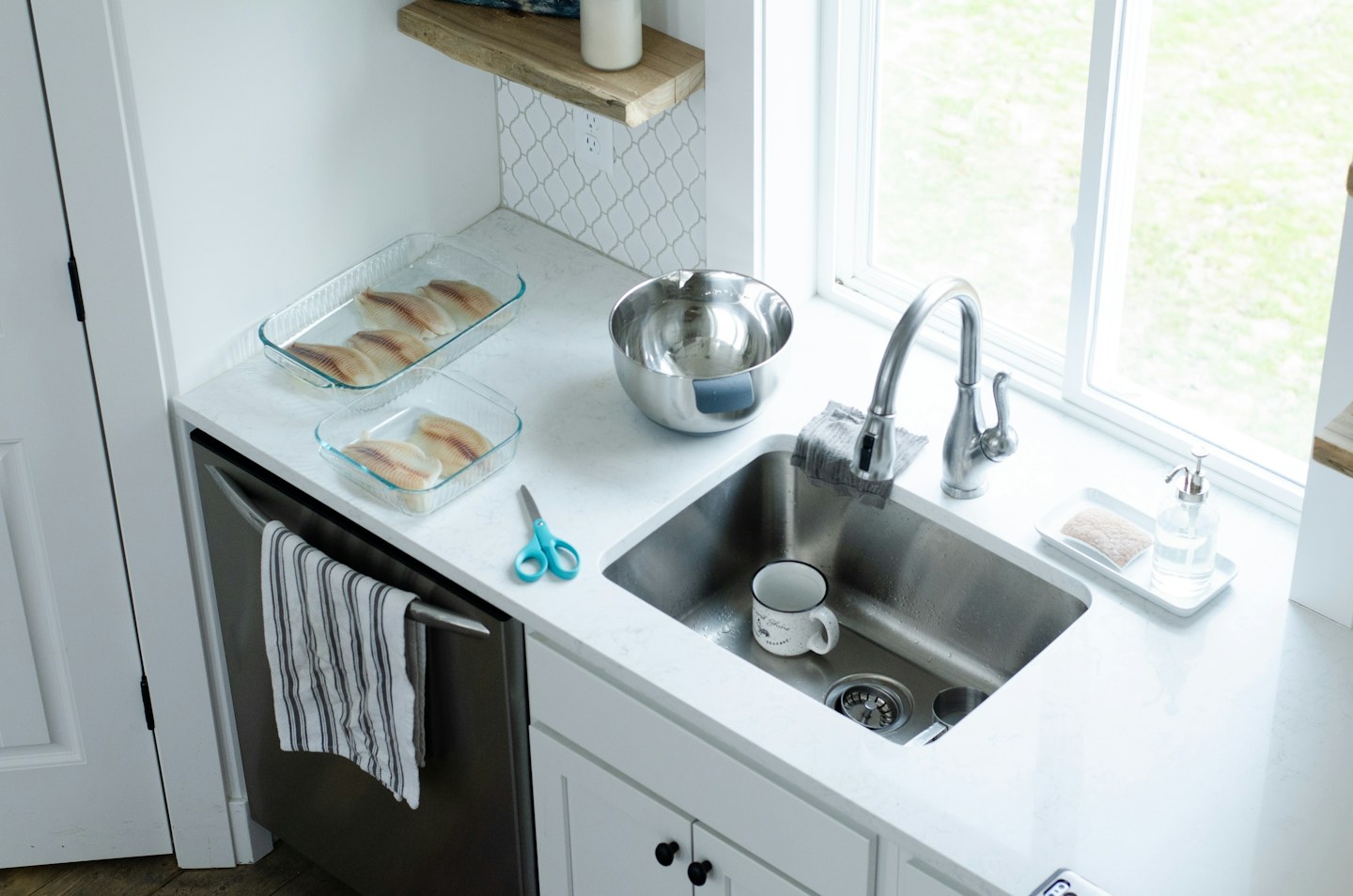
Plan for sticky utensils and flour covered bowls before the first batch. Keep a clear landing area near the sink and use the cleaning method specified for each item. A kit that fits in a drawer but overwhelms your drying area is not truly compact in daily use.
Store by access, not by matching appearance
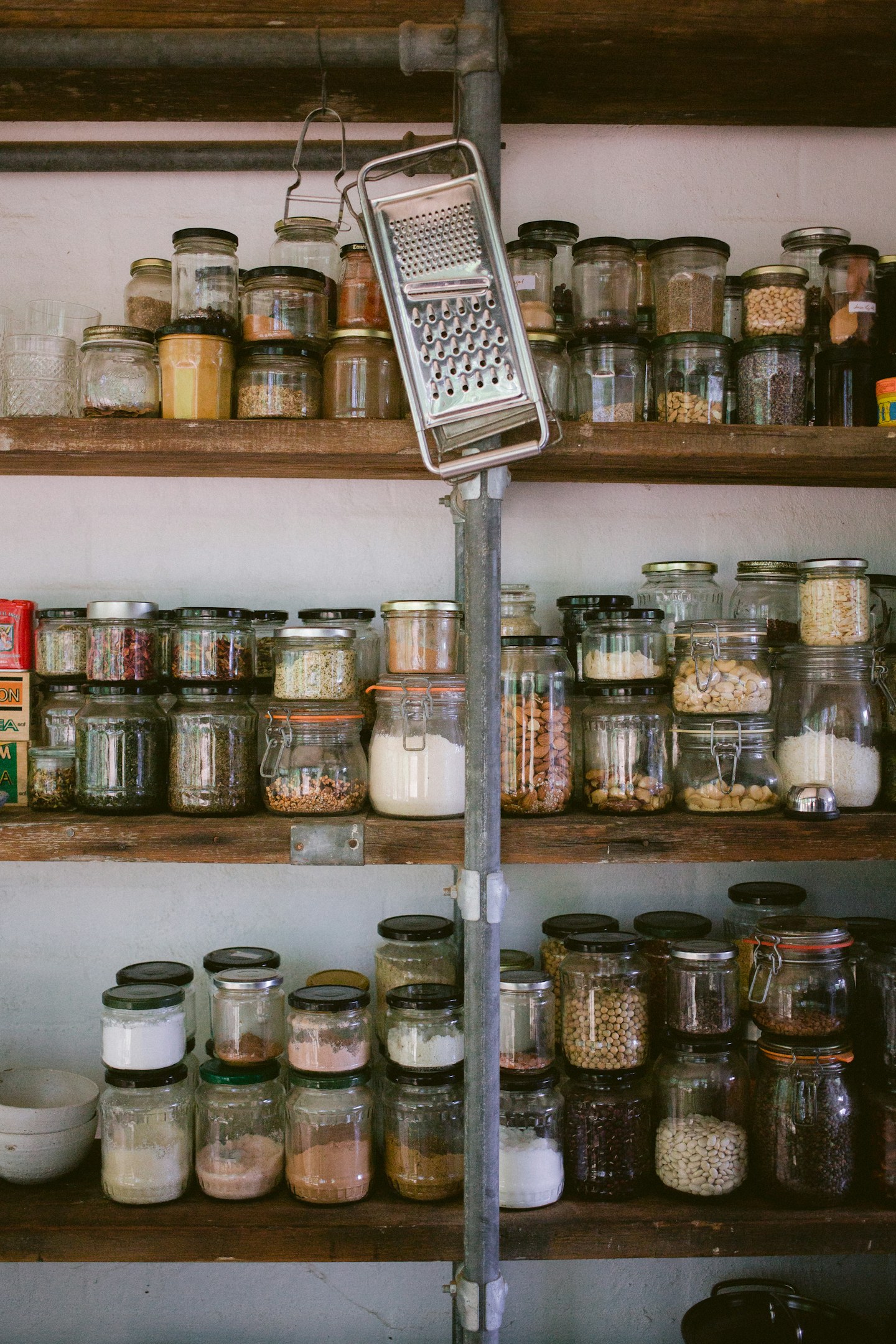
Keep frequently used tools together where you can retrieve them without moving appliances. Nest bowls only if the stack remains manageable, and store trays upright if the cupboard layout supports that arrangement. A single accessible container for small utensils can help, but a new organizer is not automatically necessary.
Resist buying equipment solely because it stacks neatly with a new set. An existing bowl or tray can continue doing its job even if it does not match. The useful measure is whether you can prepare, finish, and put away a familiar recipe without a major kitchen rearrangement.
Who should skip a complete baking bundle
Skip a large bundle if you bake a few times a year or have not yet chosen the recipes you enjoy making. Specialty cutters, decorating tools, and multiple tin sizes can wait. Borrow occasional equipment when practical, or select recipes that work with the items you already own.
A frequent baker may eventually need a mixer or additional pans, but let repeated friction justify the purchase. If hand mixing is the actual obstacle, address that specifically. If storage is the obstacle, more equipment is not the solution. Expand one useful role at a time.
Before you buy
- Choose one repeatable recipe before creating your equipment list.
- Measure the oven's usable space and your intended storage shelf.
- Check that bowl and utensils are comfortable to use together.
- Reserve a cooling area and a suitable place for hot bakeware.
- Leave specialty equipment off the list until a recurring need appears.
Ready to compare options?
Use the criteria above to check dimensions, materials, care instructions, and the seller’s current terms. Retailer search results may include sponsored listings; they are not our ranked picks.
Browse Amazon options ↗Untracked retailer search · Opens a new tabCommon questions
Do beginners need an electric mixer?
Not for every recipe. Start with recipes designed for straightforward hand mixing if that suits you. Consider a mixer when the recipes you repeat or your handling needs make one genuinely useful.
Can one pan replace every recipe's bakeware?
No. Pan dimensions and shape affect how batter or dough is distributed. Follow the recipe's guidance, use an appropriate adaptation, or choose a recipe that matches the pan you own.
Should I buy matching tools to save space?
Only if their dimensions and storage arrangement actually help. Matching appearance alone does not save space, and keeping an existing useful tool avoids unnecessary duplication.
How this guide was prepared
This is general buying and organization guidance, not a hands-on product review. Match the advice to your household and check the manufacturer’s care and safety instructions before purchasing or use.
Our editorial standards →