This guide includes ordinary, untracked retailer search links. We do not earn a commission from these links at present. Read our disclosure.
Start with the journey from fridge to desk
Picture a Tuesday when your bag holds a laptop, an umbrella, and lunch made from last night's rice and vegetables. A container that sits beautifully in the fridge can still be awkward on a crowded train. Measure the usable space inside your lunch bag before considering capacity or buying a set.
Your workplace matters just as much. Someone with a refrigerator and a roomy table has different needs from someone eating in a parked vehicle. List where lunch waits, whether food needs reheating, and how you carry dirty containers home. Those details turn vague shopping into a practical decision.
Match the shape to the meal
A shallow rectangle suits meals you want to spread out, while a deeper shape can work better for soup or a large salad. Capacity alone does not explain usefulness: a tall box may leave little room to stir, and a broad one may crowd a small office fridge shelf.
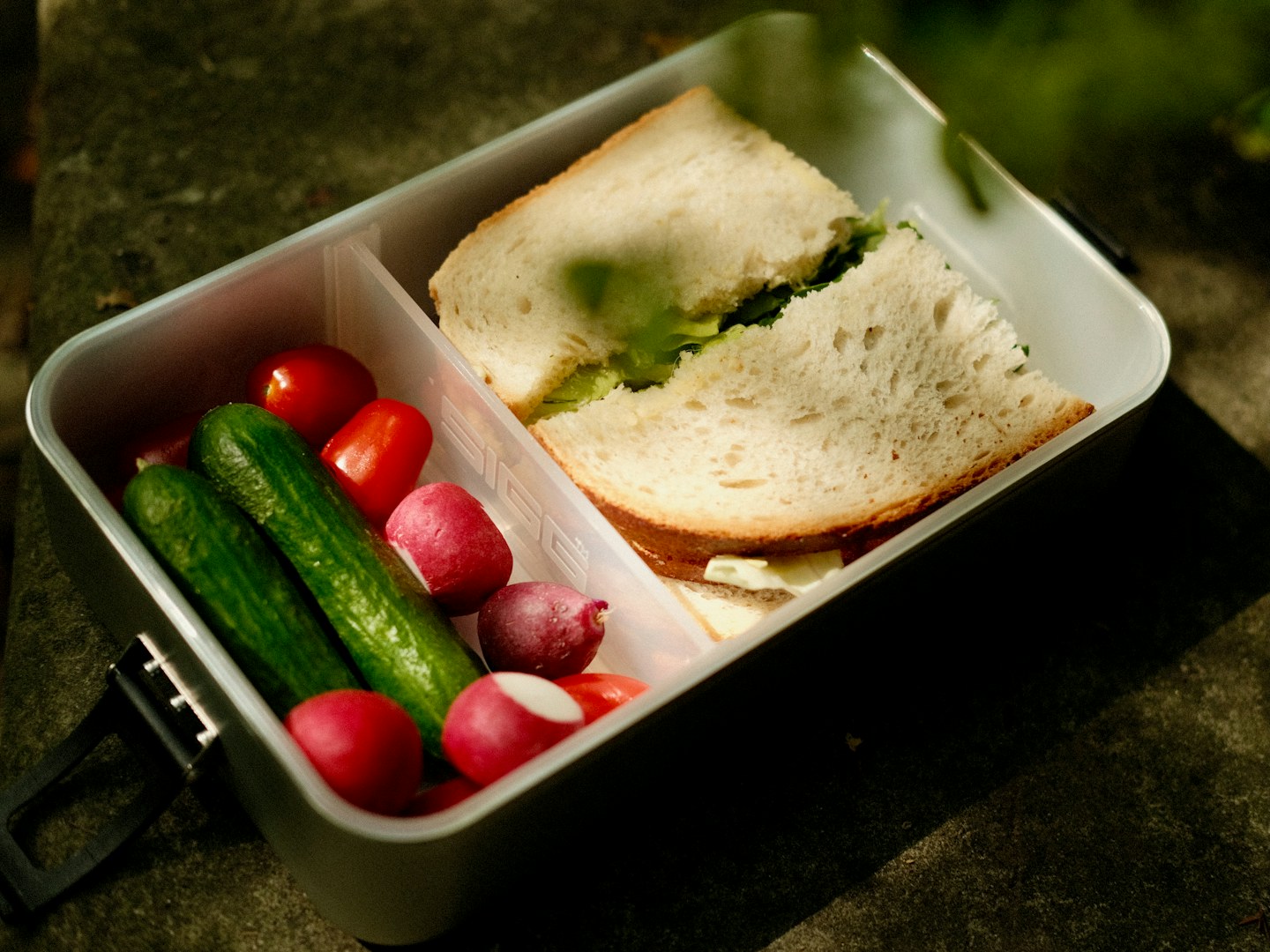
Compartments keep crisp and moist foods apart, but fixed divisions can make yesterday's leftovers difficult to pack. Separate small pots offer flexibility at the cost of more lids to wash. Choose divisions only if your usual meals genuinely need them, not because the empty container looks orderly.
Balance carrying weight against convenience
Glass containers can move comfortably into a home storage routine, but their weight becomes noticeable when walking between stations. Lightweight plastic is easier to carry, though care requirements and suitability for particular uses vary. Stainless steel offers another durable option, but it is not for microwave reheating.
Check the manufacturer's instructions for the complete container and its lid separately. If lunch is usually reheated at work, verify that the intended heating method is supported. If it is usually eaten cold, spending extra for oven suitability solves a problem you do not actually have.
Treat the closure as part of the purchase
A closure needs to be manageable when your hands are damp after washing or when lunch break is short. Clips can provide a clear closing action, but several clips add handling steps. A press fit lid is simpler, yet the product's stated spill resistance still deserves careful attention.
Look for accessible seals, straightforward assembly, and replacement lid availability where offered. Do not assume a lid that fits loosely across two similar boxes is interchangeable. For saucy meals, choose a container explicitly intended for carrying liquids and keep it upright rather than relying on appearance.
Buy enough for the washing cycle
If you wash after dinner, two main containers may cover one in use and one ready for tomorrow. If dishes wait for a weekend wash, you need a different plan. Count your real rotation before purchasing a large pack, and include the cupboard space that clean, dry lids require.
Nesting bodies save room only when the lids also have a home. Removable gaskets help access hidden corners but create small parts to track. Favor a routine you can maintain on a tired evening. More containers do not fix a cleaning bottleneck; they can simply postpone it.
Who should skip a dedicated meal prep set
Skip a coordinated set if you bring lunch only occasionally and already own suitable containers. Start with those and identify the exact inconvenience before replacing anything. A dedicated insulated food jar may be more relevant than divided boxes when you lack reliable access to heating facilities.
For frequent packed lunches, buy the smallest useful rotation first. A main box and an optional sauce pot can handle changing menus without locking you into identical portions. Add another shape only when a recurring meal, commute issue, or washing schedule gives it a clear job.
Before you buy
- Measure your lunch bag and the usable office fridge space.
- Choose a shape that fits your most frequent lunch.
- Verify heating and washing instructions for both body and lid.
- Check that seals can be removed or cleaned as directed.
- Count containers needed between washes, not meals you hope to prepare.
Ready to compare options?
Use the criteria above to check dimensions, materials, care instructions, and the seller’s current terms. Retailer search results may include sponsored listings; they are not our ranked picks.
Browse Amazon options ↗Untracked retailer search · Opens a new tabCommon questions
Should every lunch container have compartments?
No. Compartments help when foods need separation, but they reduce flexibility for soups, mixed leftovers, and unusually sized portions. A plain main container with one small removable pot can be easier to adapt.
Can I reheat lunch with the lid attached?
Follow the manufacturer's heating instructions, including any requirement to remove or vent the lid. Container bodies and lids can have different care limits, so do not infer permission from the material alone.
How many containers should I start with?
Start with enough to cover your actual washing cycle and one convenient spare if needed. Buying a week's worth makes sense only if you also have the storage space and a realistic plan for cleaning them.
How this guide was prepared
This is general buying and organization guidance, not a hands-on product review. Match the advice to your household and check the manufacturer’s care and safety instructions before purchasing or use.
Our editorial standards →