This guide includes ordinary, untracked retailer search links. We do not earn a commission from these links at present. Read our disclosure.
Start before the grocery delivery arrives
Sunday groceries are at the door, but Friday’s leftovers still occupy the front shelf and another jar of the same sauce is hiding behind them. A new set of bins will not prevent duplicate purchases by itself. Start with a short stock check before ordering, then leave space for the foods actually arriving.
Note opened packages, duplicate ingredients, and meals already available. Remove unwanted empty packaging and clean spills using the appliance guidance. Organization is most useful when it supports the next shopping decision, not when it creates an attractive arrangement that must be completely rebuilt after every delivery.
Make use-soon foods easy to notice
Give suitable leftovers and opened foods a visible place that respects their storage requirements. A small note or clear label can identify what a container holds and when it was prepared or opened. Visibility helps with meal planning, but an orderly shelf does not establish whether food remains suitable to eat.
Keep the relevant package instructions and dates available. Do not treat a homemade use-soon label as a replacement for food handling guidance. Grouping a few ready-to-use ingredients can help with tomorrow’s dinner, but avoid mixing incompatible storage needs merely to make a coordinated meal-planning zone.
Work with the appliance rather than against it
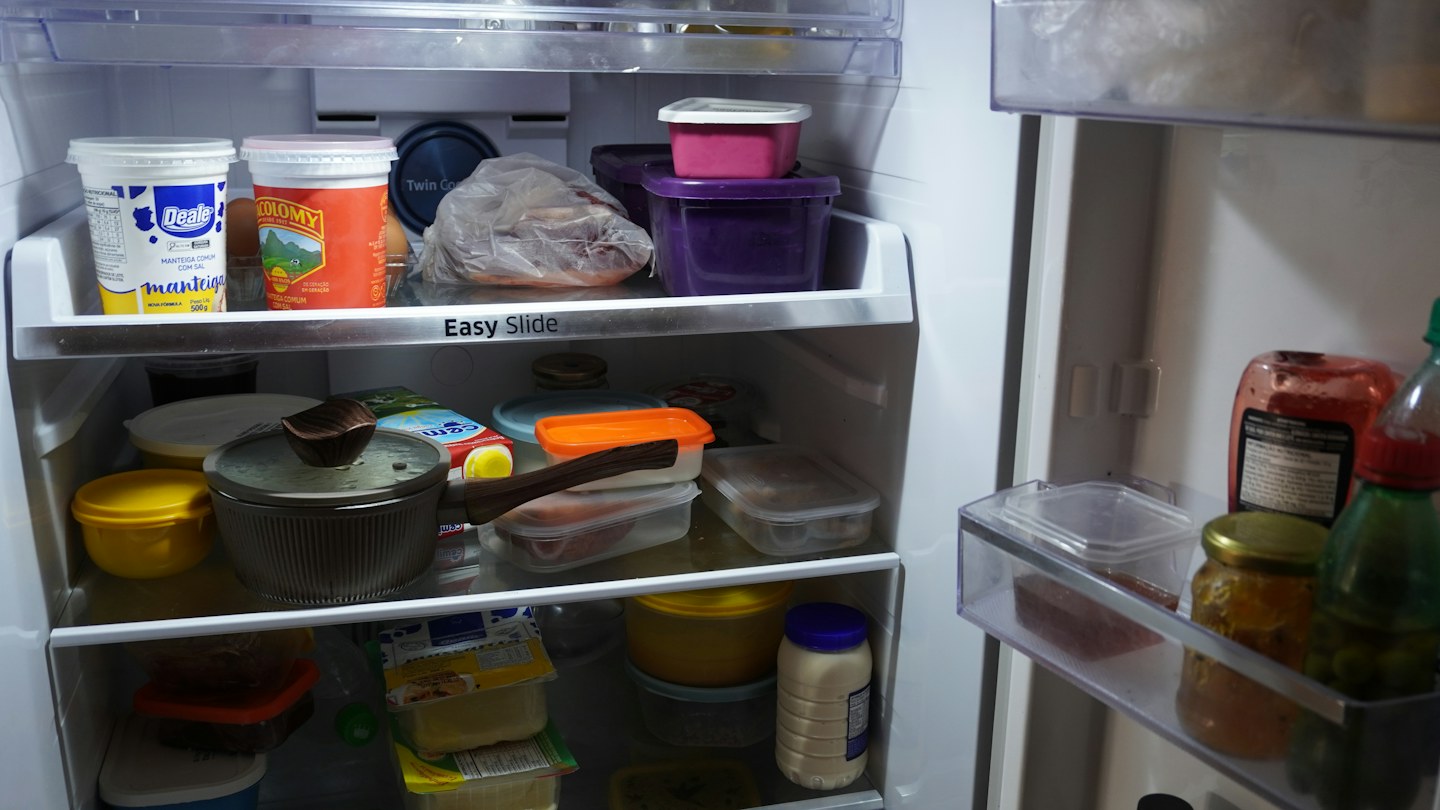
The refrigerator’s shelves, drawers, and door compartments already provide a storage structure. Read the appliance instructions before assigning new roles, particularly where airflow and compartment use are concerned. A tightly fitted wall of bins can make access awkward and leave less flexibility for tall groceries or changing weekly contents.
Store foods in appropriate containers and locations according to their handling guidance, including separation where needed. Do not place loosely contained foods together simply because a shared bin looks tidy. Leave room to remove a drawer and reach its contents without balancing neighboring containers on the counter.
Buy a bin for a specific retrieval problem
A narrow removable bin can help gather small items that repeatedly disappear behind larger ones. Before buying, identify the exact group and check whether it will stay reasonably consistent. If the shelf already gives you a clear view of everything, another container may add a lifting step without improving retrieval.
Measure shelf depth, clear height, and the space available with the door open. Include the handle and the clearance needed to pull the bin out. An oversized organizer can fit on the shelf yet collide with a door compartment during removal. Choose an accessible shape that can be washed and dried easily.
Decant only when the extra work is worthwhile
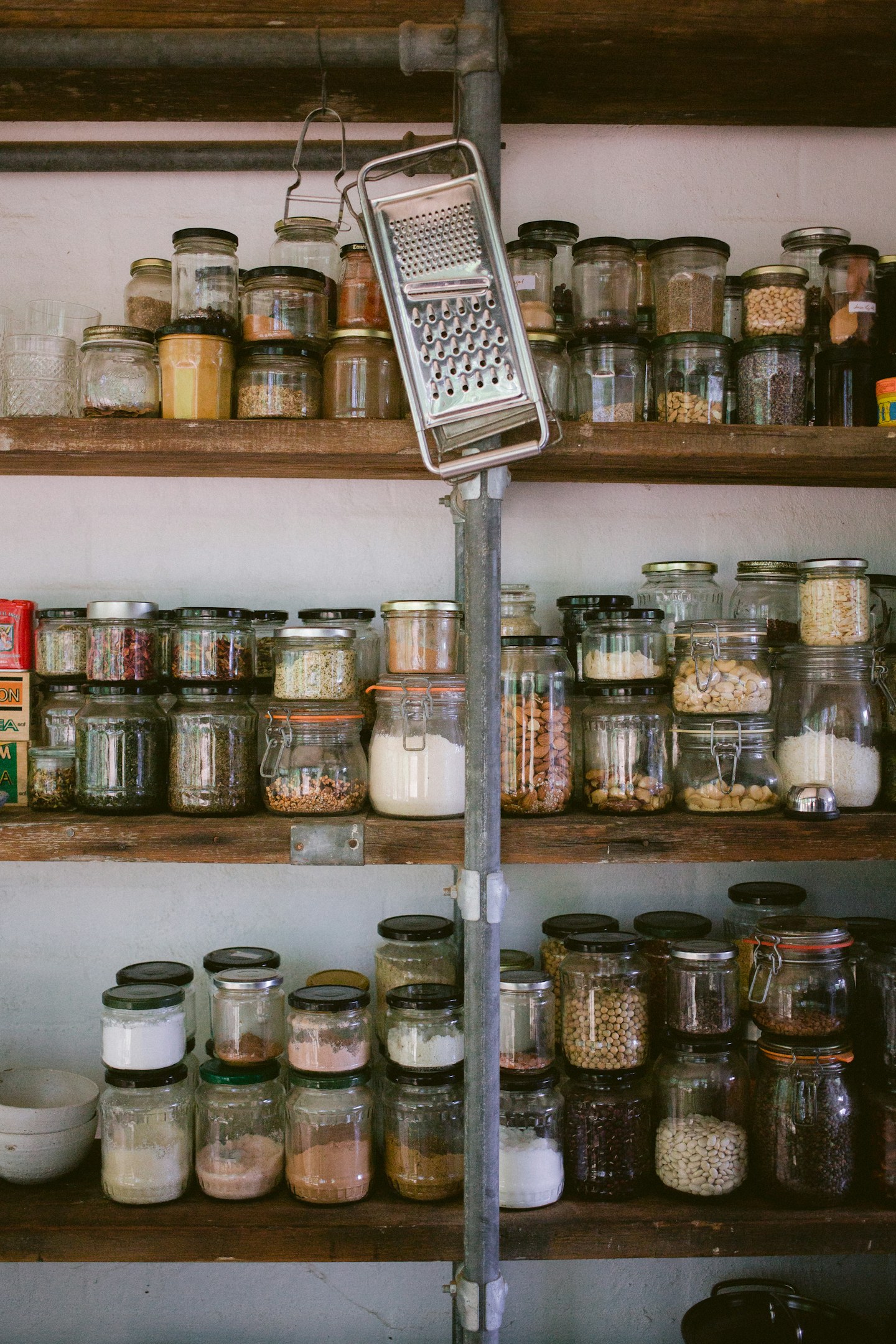
Transferring food into a different container adds washing and can separate it from ingredient information, handling instructions, and dates. It may still be useful when damaged packaging is unsuitable or a well-chosen container solves a genuine access problem. Make the decision food by food rather than following a uniform decanting rule.
If you transfer something, preserve the information you will need and choose a container appropriate for that food and intended use. Avoid topping up old contents with new purchases without a deliberate cleaning and labeling routine. Original packaging can remain the simplest option when it closes properly and stores conveniently.
Who should skip a fully fitted collection
Skip a complete refrigerator organizer collection when your groceries vary widely or you often store large leftovers. Fixed shapes can consume the flexible space those foods need. Households whose main frustration is duplicate shopping should improve the pre-shopping check first; storage accessories cannot replace knowing what is already inside.
Try rearranging the existing shelves and using containers you already have, within their permitted uses. Add one organizer only if a specific group remains difficult to reach. Reassess after normal shopping and cleanup: a useful system should make everyday access easier without creating a second collection of items to maintain.
Before you buy
- Check existing food before preparing the grocery order.
- Keep food identity, instructions, and relevant dates available.
- Respect appliance compartments and airflow guidance.
- Measure removal clearance, including handles and door storage.
- Buy only for a persistent, specific retrieval problem.
Ready to compare options?
Use the criteria above to check dimensions, materials, care instructions, and the seller’s current terms. Retailer search results may include sponsored listings; they are not our ranked picks.
Browse Amazon options ↗Untracked retailer search · Opens a new tabCommon questions
Should I use clear bins on every shelf?
No. They help when small items are difficult to retrieve, but open shelf space is useful for changing groceries and larger containers.
Does labeling leftovers tell me how long they are suitable?
A label records useful information, not a safety guarantee. Follow applicable food handling and storage guidance rather than relying on the organization system alone.
Is decanting always better than original packaging?
No. It adds maintenance and can lose important information. Keep suitable original packaging when transferring would not solve a clear access or storage problem.
How this guide was prepared
This is general buying and organization guidance, not a hands-on product review. Match the advice to your household and check the manufacturer’s care and safety instructions before purchasing or use.
Our editorial standards →