This guide includes ordinary, untracked retailer search links. We do not earn a commission from these links at present. Read our disclosure.
Choose meals before choosing a set
For someone cooking for two in an apartment, a typical week might include pasta, fried eggs, vegetable curry, and a pot of soup. Write down the meals you repeat and identify the cooking vessels they require. Several meals may share one pan, while a large matching set could add pieces that never leave the cupboard.
Start with the missing function rather than a target number of pots. A useful skillet, a saucepan sized for regular portions, and one deeper vessel may cover many routines. Someone who batch cooks soup will need different capacity from someone who mainly prepares quick individual meals.
Match pan dimensions to the stove and sink
Check your cooktop’s compatibility guidance and suitable pan dimensions before purchasing. Measure the space between burners or cooking zones, including room for projecting handles. A wide pan can dominate a compact stove even if its base fits one zone. Consider whether a second vessel can be used comfortably alongside it.
Then check washing and storage. Long handles may prevent a pan from fitting a cupboard, and a heavy pot can be awkward in a shallow sink. Capacity descriptions do not reveal the full footprint. Review external dimensions and think about lifting the vessel when it holds a normal meal, not just when it is empty.
Give each surface a clear purpose
Stainless steel can serve as a versatile everyday option for cooks willing to manage heat and release with suitable technique. A coated pan may be convenient for delicate foods but introduces surface care requirements. Cast iron can suit certain cooking routines, yet its weight and maintenance may be less welcome in a crowded kitchen.
Do not collect every material simply to cover hypothetical recipes. Pick the surface that matches your most frequent tasks, then add a different one only when it solves a real problem. Check the complete construction and instructions, including cooktop suitability.
Treat lids and handles as storage decisions
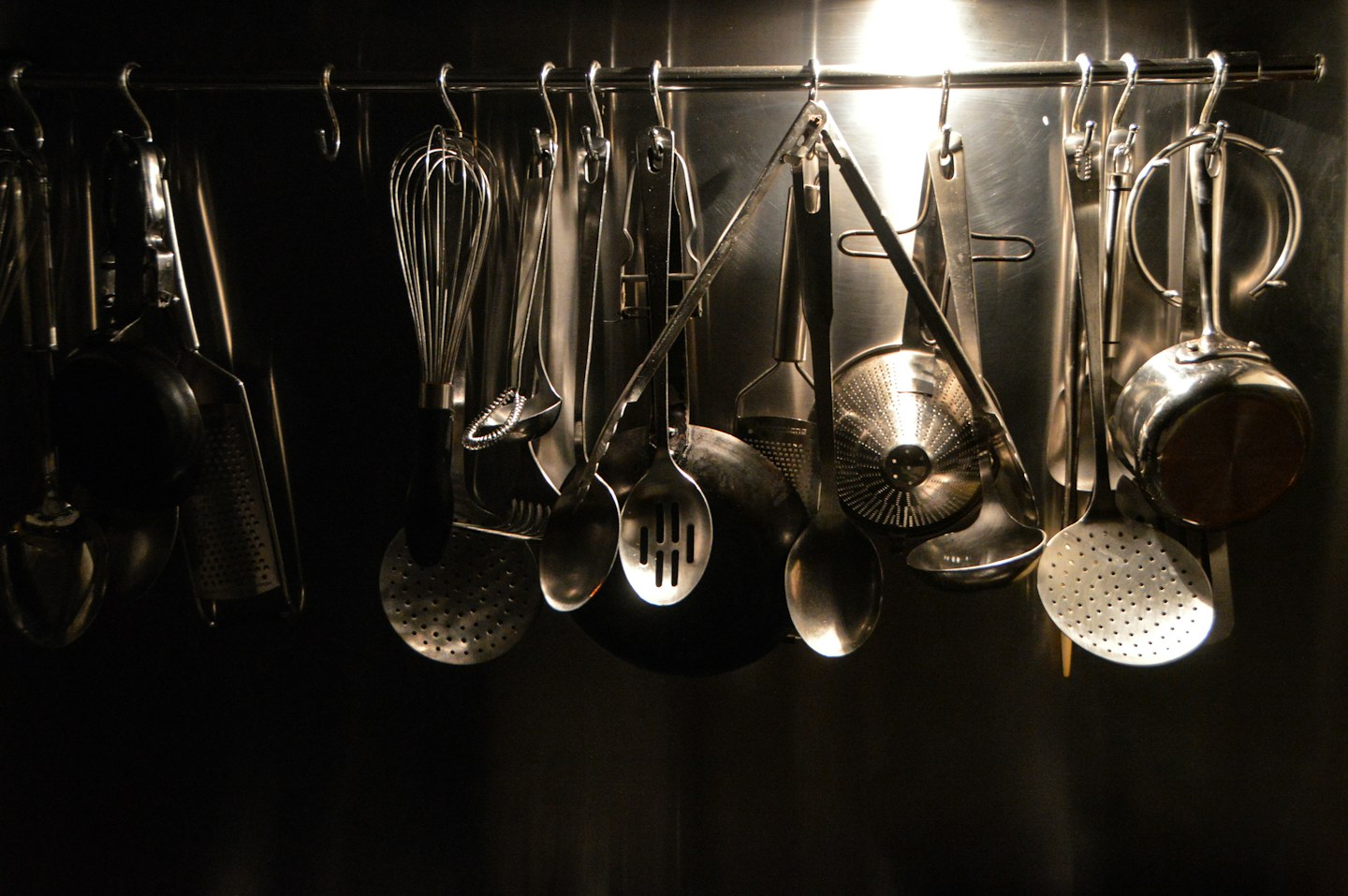
A deep pan with a suitable lid may handle both quick cooking and simmering, reducing the need for another specialized piece. But a tall lid knob can make storage awkward. Check whether lids stand in an organizer or fit alongside pans, and whether one compatible lid serves more than one vessel.
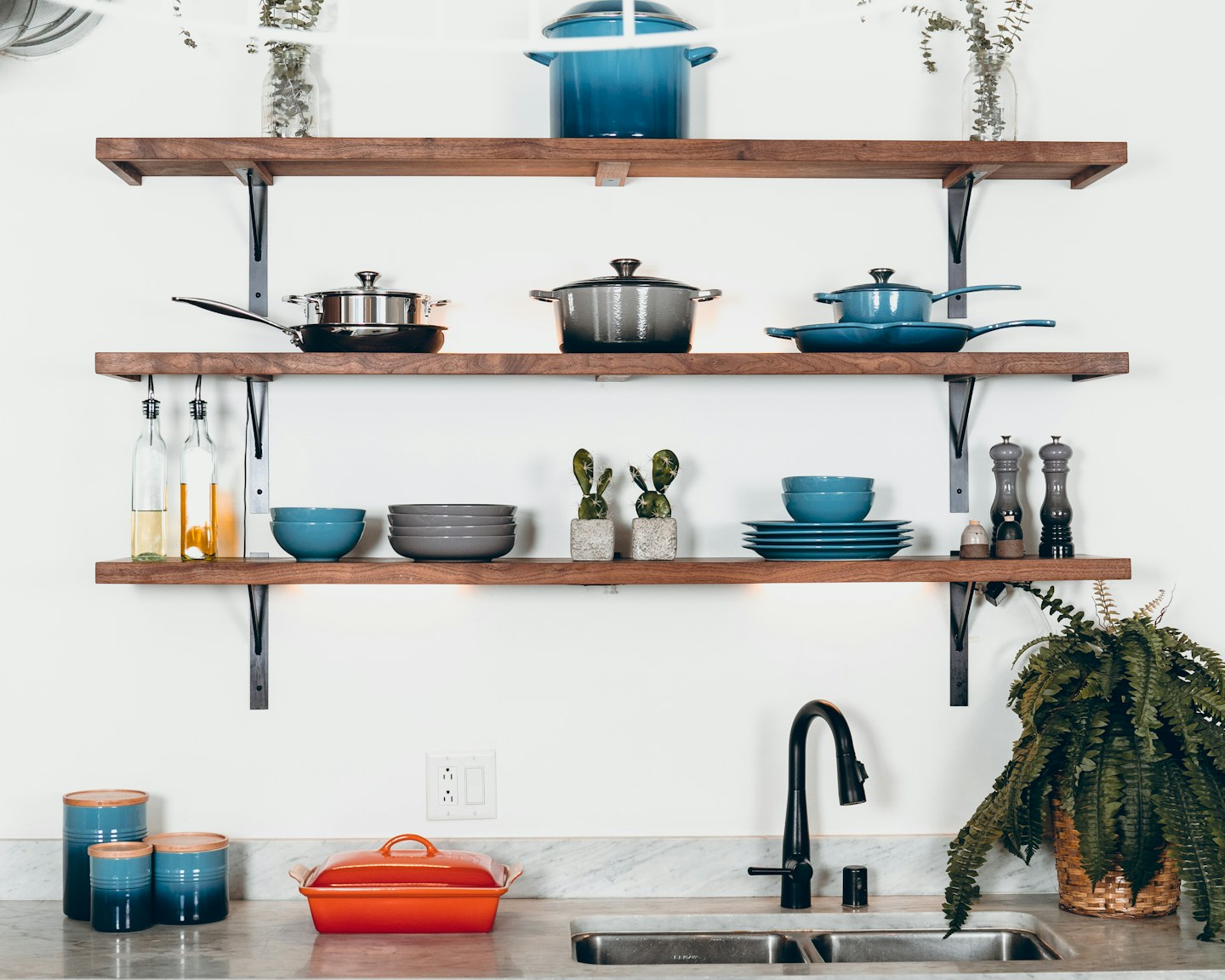
Nesting cookware can save space when stored according to the maker’s guidance, using suitable protection where needed. Removable handles introduce another mechanism to inspect and another part to keep track of. Skip a nesting system if its daily assembly would frustrate you more than ordinary storage.
Leave capacity for the way you really cook
A collection is too small if dinner requires constant transfers because each vessel is occupied. Keep enough flexibility for your busiest normal meal, such as boiling a side while simmering the main dish. On the other hand, an occasional large gathering does not necessarily justify keeping oversized cookware in your easiest storage space.
Skip a comprehensive set when it duplicates usable cookware or includes capacities you rarely need. Heavy cookware may be unsuitable if lifting and washing are already difficult. Buy one well matched piece, use it through ordinary meals, and identify the next genuine gap.
Compare the practical tradeoffs
| Cookware role | Everyday use | Space tradeoff |
|---|---|---|
| Skillet | Eggs and quick frying | Long handle needs clearance |
| Saucepan | Small portions and side dishes | Capacity may limit batch cooking |
| Deep lidded pan | Simmering and mixed meals | Lid needs separate storage |
| Larger pot | Soup and bigger pasta portions | Bulky for occasional use |
Before you buy
- List repeat meals and their actual cookware needs.
- Verify cooktop compatibility for the exact vessel.
- Measure stove spacing, sink clearance, and cupboard depth.
- Check loaded lifting comfort and handle placement.
- Give every lid and pan a practical storage home.
Ready to compare options?
Use the criteria above to check dimensions, materials, care instructions, and the seller’s current terms. Retailer search results may include sponsored listings; they are not our ranked picks.
Browse Amazon options ↗Untracked retailer search · Opens a new tabCommon questions
Is a cookware set better value for a small kitchen?
Only if most pieces match your meals and fit your storage. A set with unused sizes creates clutter regardless of its appeal. Compare its actual functions with the cookware you already own before deciding.
Can one deep pan replace both a skillet and a pot?
It can cover several tasks, but its shape and capacity may make some jobs less convenient. Consider your usual portions and whether you cook components simultaneously. Versatility helps only when it matches your everyday sequence.
Should I choose removable handles to save space?
They may help with storage, but check attachment instructions, compatibility, and the routine for moving a loaded vessel. If keeping track of detachable parts would be inconvenient, conventional handles with a sensible storage arrangement may suit you better.
How this guide was prepared
This is general buying and organization guidance, not a hands-on product review. Match the advice to your household and check the manufacturer’s care and safety instructions before purchasing or use.
Our editorial standards →