This guide includes ordinary, untracked retailer search links. We do not earn a commission from these links at present. Read our disclosure.
Follow the route from pavement to hallway
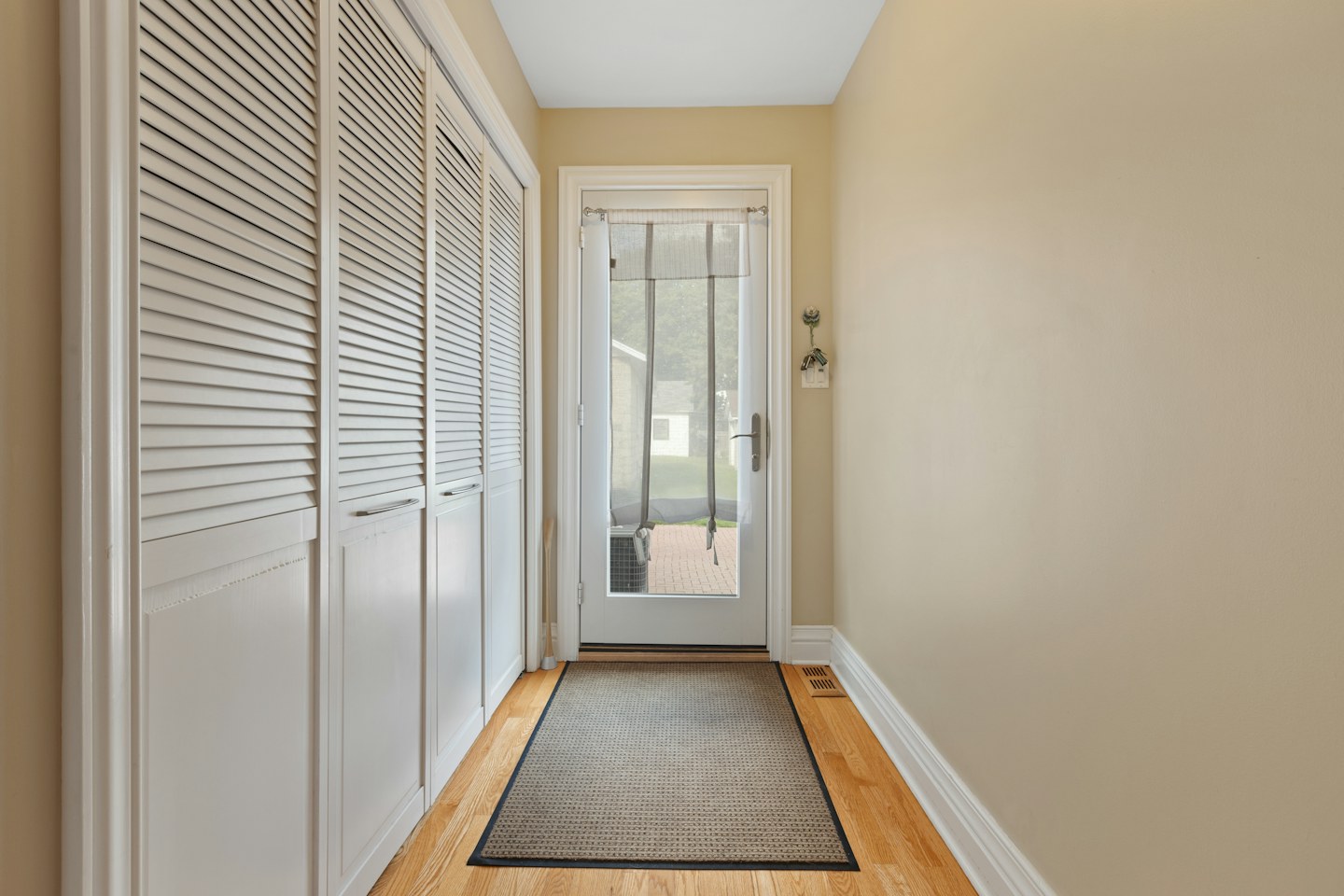
Imagine a narrow entry where wet shoes arrive directly from an uncovered path. Mud needs removing before it reaches the floor, while remaining moisture needs somewhere to go. One mat may not handle both jobs equally well.
If space allows, use an exterior scraping surface and an interior absorbent mat as separate stages. In an apartment corridor, first check building rules and shared access requirements. Do not place a mat where it obstructs neighbors or door operation.
Choose the surface for the first job
Open scraper designs can help dislodge loose dirt from shoe soles. Coir provides a bristly surface, while textured rubber offers a different scraping approach. Check whether a particular mat is intended for exposed weather or a sheltered doorway.
An absorbent textile mat addresses residual moisture rather than replacing a scraper for heavy mud. Read how it should be washed and dried. A decorative flat weave may suit a dry entrance but is not automatically useful during repeated rainy arrivals.
Check the door swing and floor finish
Measure clearance along the entire door swing, not only when the door is shut. A thick mat can catch under the door, bunch up, or prevent easy opening. Look for dimensions and edge construction that fit the available space.
Backing needs to suit the actual flooring. Descriptions such as nonslip do not guarantee compatibility with every surface. Follow the mat and flooring manufacturers' guidance, particularly where backing materials, moisture, or cleaning products could affect the finish underneath.
Make the landing zone large enough
A tiny welcome mat may catch only one foot before someone steps onto the hallway floor. Consider enough room for a normal pause and shoe removal without crowding the entrance. Larger is helpful only if the mat lies flat within the layout.
Add a nearby shoe tray when wet footwear regularly stays by the door. It serves a different purpose from the mat: containing drips after shoes are removed. Keep the arrangement simple enough that everyone uses it rather than stepping around it.
Plan cleaning before the weather changes
A mat that collects water and dirt also needs regular attention. Check whether cleaning involves shaking, vacuuming, rinsing, or machine washing. Washable does not necessarily mean the mat fits your machine or can use your preferred drying method.
Lift the mat to inspect and clean the floor beneath it, and let surfaces dry according to their care guidance. A spare can help when laundering takes time. Skip large textile mats if you have no practical way to dry them.
Avoid solving a layout issue with a claim
Look for straightforward information about intended placement, backing, thickness, and care instead of relying on dramatic absorbency language. Raised edges and textured surfaces should suit household movement. If mobility or doorway access creates special requirements, prioritize those constraints over decorative style.
Skip a heavy scraper indoors if its purpose does not match the mess. Skip a plush interior mat outdoors unless it is intended for that exposure. The most useful purchase is a coordinated entry routine, not simply the mat with the boldest description.
Compare the practical tradeoffs
| Mat type | Best role | Main consideration |
|---|---|---|
| Bristly coir mat | Scraping at a suitable entrance | Weather exposure and shedding |
| Textured rubber scraper | Removing loose dirt before entry | Drainage, cleaning, and floor compatibility |
| Absorbent textile mat | Collecting residual moisture indoors | Drying space and laundering requirements |
Before you buy
- Measure the entrance and check clearance throughout the door's full swing.
- Choose scraping and absorbent surfaces according to their intended placement.
- Confirm backing compatibility with the specific flooring beneath the mat.
- Allow enough standing room for a normal pause and shoe removal.
- Check cleaning, drying, and storage needs before buying a larger mat.
Ready to compare options?
Use the criteria above to check dimensions, materials, care instructions, and the seller’s current terms. Retailer search results may include sponsored listings; they are not our ranked picks.
Browse Amazon options ↗Untracked retailer search · Opens a new tabCommon questions
Is one doormat enough for wet weather?
It can be enough for a sheltered entrance with light use. Where shoes bring both mud and water, separate scraping and absorbent stages may be more practical. Choose an arrangement that fits the doorway rather than forcing two mats into a cramped landing.
Can any washable mat go in a washing machine?
No. Washable may describe hand washing or rinsing instead. Check the care label, machine capacity, and any restrictions relating to the backing. If laundering or drying is difficult, choose a mat with a cleaning method your household can realistically manage.
Should a doormat sit outside an apartment door?
Check the building's rules first, including requirements for shared corridors and door clearance. If exterior placement is not permitted, focus on a suitable interior landing zone and footwear storage. An entryway improvement should not create an obstruction outside your apartment.
How this guide was prepared
This is general buying and organization guidance, not a hands-on product review. Match the advice to your household and check the manufacturer’s care and safety instructions before purchasing or use.
Our editorial standards →